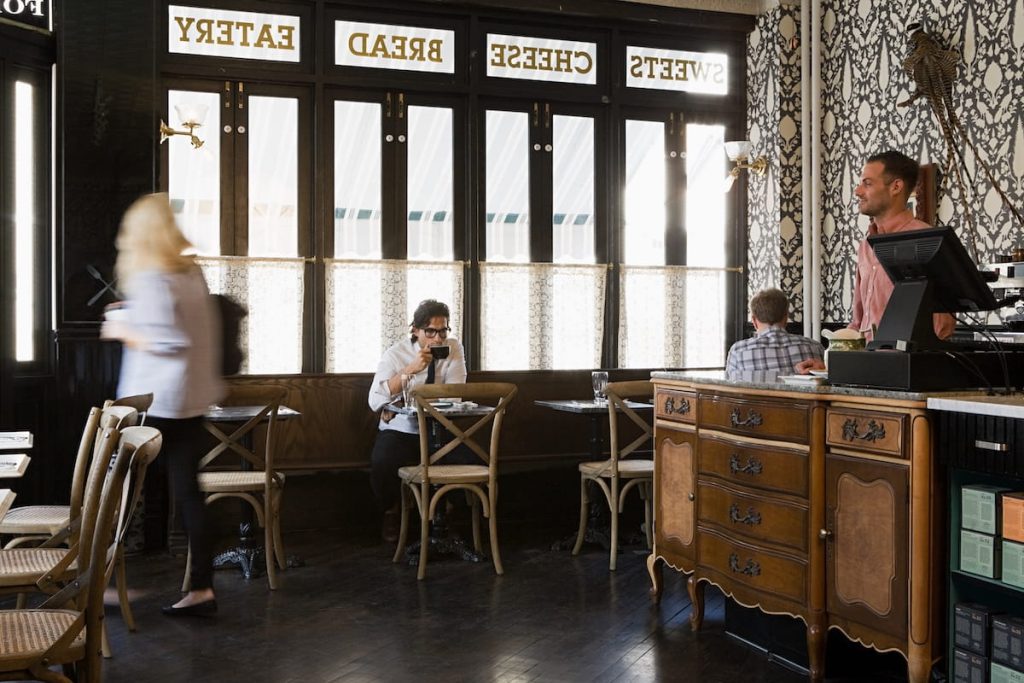
A great playlist doesn’t happen by accident. It’s shaped by the space it’s playing in, the time of day, and the mood you’re trying to create for the people sitting in the room. Get it right, and customers barely notice the music at all. Get it wrong, and it’s the first thing they complain about.
Before getting into the legal side of things, it’s worth slowing down on the part most owners actually think about first: how to build a playlist that fits the business.
Start With the Type of Space
Every venue has its own rhythm, and the music should follow it. Music for a busy bar calls for something different than a quiet cafe, and a café calls for something different than music in a sit-down restaurant.
Think about how people use the space. Are they lingering over coffee and a laptop, or grabbing a quick drink between meetings? Are they having a long dinner conversation, or dancing? The answer should shape the tempo, the instrumentation, and even how much vocal content is in the mix.
Café music in the morning often does best with acoustic or instrumental tracks that sit quietly in the background. A bar later at night can handle more energy, heavier bass, and songs people actually recognize. Neither is “better” music. They’re just built for a different moment.
Let the Energy Shift Throughout the Day
One of the most common mistakes is treating a playlist as one static thing that plays the same way from open to close. In reality, most venues go through several distinct phases in a single day, and the music should shift with them.
Picture a café. The early morning crowd wants something calm and unobtrusive, music that helps people focus or wake up slowly. By midday, when the space fills up with lunch traffic and conversation, a slightly more upbeat tempo helps keep energy in the room without being distracting.
A bar follows a similar arc in reverse. Early evening might call for something mellow while people settle in after work. As the night goes on and the room fills up, the tempo can climb, the volume can rise a little, and the song choices can lean more current and familiar.
A restaurant often needs a few different gears in a single service. Lunch might call for something light and unobtrusive so conversations and quick meetings can carry on undisturbed. Dinner can afford to slow down and warm up, with fuller arrangements that give the room a more relaxed, settled feel as guests linger over a second course or dessert. This list of restaurant playlist ideas is a useful starting point for thinking through how that pacing can work across a full dinner service.
Building separate playlists (or at least separate segments) for these different windows takes more planning than one long shuffle, but it makes a noticeable difference in how the space feels at any given hour.
Match Volume and Tempo to the Moment
Volume is easy to overlook, but it changes everything about how music lands. A song that works perfectly at a low volume during a quiet lunch service can feel jarring if the volume creeps up without anyone adjusting it.
The general rule: volume should support conversation, not compete with it. If people have to raise their voices to be heard, it’s usually too loud, unless the venue is intentionally built around a louder, more social atmosphere.
Tempo matters just as much. Faster tempos tend to encourage more turnover, which can work in a coffee shop trying to move a morning line along. Slower tempos encourage people to stay longer, which fits a restaurant hoping guests linger over dessert. Neither approach is right for every business, but tempo is one of the more overlooked ways to influence the pace of a room.
Build in Enough Variety
Nothing signals a lazy playlist faster than a song repeating twice in one afternoon. Customers notice loops, even short ones, and it can make a space feel like it’s running on autopilot.
A well-built playlist needs enough depth to avoid obvious repetition, and enough variety within its genre or mood to keep things interesting without feeling scattered. That usually means pulling from a wider pool of artists than most people expect, and rotating in new tracks regularly instead of letting the same list run for months.
The Catch Most Owners Don’t Think About
All of this is genuinely good advice, and a lot of business owners follow it instinctively. They spend real time building a thoughtful playlist that fits their space, adjusts through the day, and avoids obvious repeats.
The problem is where that playlist usually comes from. If it’s built on a personal Spotify, Apple Music, or YouTube account, playing it in a business isn’t covered by the license that account comes with. Those personal subscriptions are licensed for private, non-commercial listening only. Playing that same music in a café, restaurant, or bar, where it’s part of the customer experience, requires a commercial license.
This isn’t a minor technicality. Performing rights organizations like ASCAP, BMI, and SESAC in the US, SOCAN and Re:Sound in Canada, and PRS for Music and PPL in the UK actively monitor businesses for unlicensed use, and the fines for playing music without the right commercial license can be significant, especially if it’s ongoing.
So all that careful playlist work, the matching, the pacing, the variety, ends up sitting on shaky legal ground.
Getting the Same Result Without the Risk
The good news is that building a thoughtful, well-paced playlist and staying properly licensed aren’t mutually exclusive. A licensed background music service lets a business build and schedule the same kind of playlist described above, matched to the space and adjusted by time of day, with the rights already handled.
That means a café can still customize its morning and midday programs, a bar can still shift energy as the night goes on, and a restaurant can still avoid the dinner-service repeats, all without worrying about whether the source of the music is actually allowed in a commercial setting.
Purpose-built options exist for different venue types, including restaurants, cafes, and bars, each set up with the licensing built into the service itself.
The craft of building a great playlist doesn’t have to change. What changes is the peace of mind that comes with knowing the music playing in the room is fully covered.