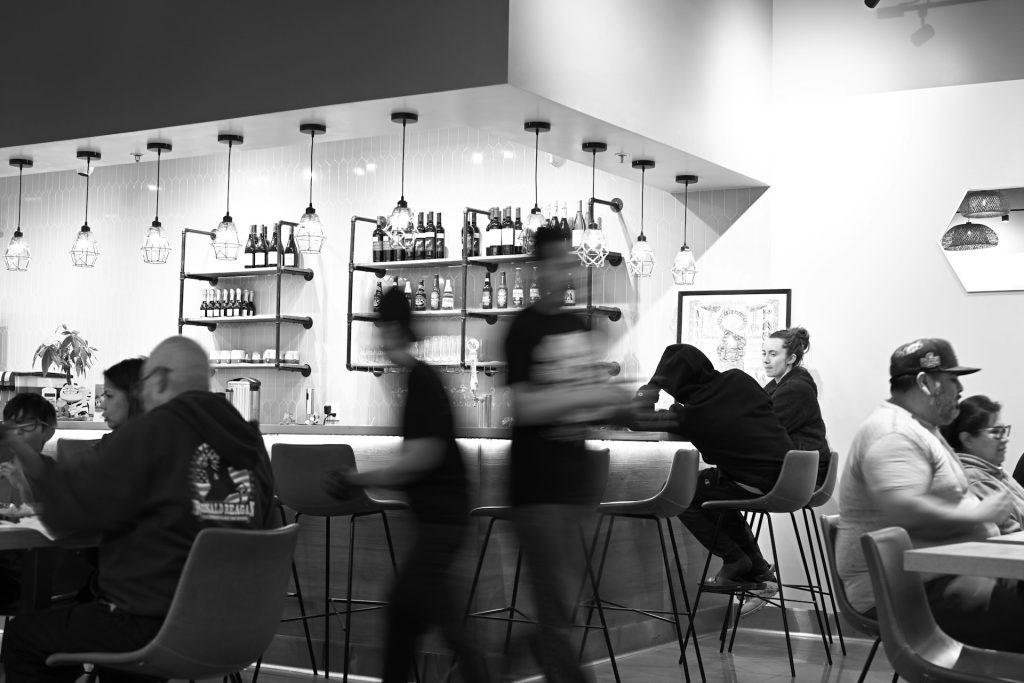
When a guest walks into a restaurant for the second or third time, they may not consciously remember what was playing during their last visit. But something feels familiar. The lighting, the menu, the pace of service, and yes, the music all work together to create a sense of reliability. That familiarity is the foundation of brand trust.
For restaurant operators, music for restaurants is more than background noise. It is one of the most consistent sensory touchpoints a guest encounters, and when it is managed well, it quietly reinforces the identity of the brand with every visit.
The Power of Subconscious Recognition
Most diners do not walk into a restaurant and think, “The playlist is right on brand today.” But environmental cues, including sound, play a significant role in how people form emotional associations with a place, even when they are not paying direct attention to what is playing.
When a guest returns and hears a similar style of music at a similar volume, it signals that the experience they enjoyed before is still intact. That consistency creates comfort. Over time, comfort builds into loyalty.
This is why how background music shapes the dining experience matters so much for repeat business. A guest may not be able to name the song, but they can feel whether the atmosphere matches what they remember. When it does, trust deepens.
Chain Restaurants and the Consistency Advantage
Chain and multi-location restaurants have long understood the value of uniformity. From menu design to table settings, everything is standardized for a reason. Music should be no different.
When a guest visits one location of a restaurant group and hears a well-curated soundtrack that matches the brand, they expect the same at another location. If the second visit features a completely different vibe, perhaps louder, more upbeat, or stylistically mismatched, the guest may not complain outright. But their perception shifts. The brand feels less cohesive, less trustworthy.
A thoughtful approach to choosing music that matches restaurant interior design and decor helps multi-location operators maintain that cohesion. When the sound aligns with the physical space at every location, guests experience the brand as one unified concept rather than a collection of loosely connected restaurants.
Large chains also benefit from structured programming throughout the day. Planning music through the day in restaurants ensures that the morning coffee crowd and the evening dinner service each get an appropriate atmosphere, without leaving it up to individual staff members to choose what plays.
Why Independent Restaurants Need Consistency Too
It is easy to assume that consistency only matters for chains. But independent restaurants also benefit from a reliable sonic identity, sometimes even more so.
An independent restaurant’s brand is often deeply personal. It reflects the owner’s vision, the chef’s philosophy, and the character of the neighborhood. When the music shifts randomly from visit to visit, it undermines that identity. A guest who fell in love with the warm, jazz-inflected ambiance on a Friday night may feel disconnected if they return on a Tuesday to hear pop hits from a random streaming playlist.
For smaller spaces, this is especially noticeable. When considering background music choices for small restaurants vs. large dining spaces, intimate dining rooms amplify every sonic choice. There is less ambient noise to mask inconsistencies, so the music has to be even more intentional.
Independent operators can also use music to reinforce a specific cuisine or cultural identity. Italian restaurant music, for example, does not need to be cliché. It just needs to feel authentic and be consistent enough that returning guests recognize the atmosphere as distinctly belonging to that restaurant. The same principle applies to wine-focused concepts, where pairing wine and music can become a defining part of the brand personality.
What Happens When Music Is Inconsistent
Inconsistency in restaurant music does not usually result in a dramatic complaint. It is subtler than that. Guests simply feel that something is off. The restaurant does not feel as polished, as intentional, or as trustworthy as it once did.
There are a few common ways inconsistency shows up. Staff members play personal playlists that do not match the brand. Volume levels swing wildly depending on who is managing the floor. The style changes drastically between shifts or seasons without any deliberate strategy.
Each of these small missteps chips away at guest confidence. When someone is deciding where to eat, they gravitate toward places they can rely on. If the atmosphere felt different every time, that reliability is gone.
Even silence can hurt the restaurant dining experience. A quiet room with no music at all can feel awkward and uninviting, especially during slower service periods. It sends a signal, even if unintentional, that no one is paying attention to the details.
Building a Music Strategy That Supports Trust
Creating consistency does not mean playing the same ten songs on repeat. It means establishing guidelines around genre, tempo, volume, and mood that reflect the brand and then sticking to them. The goal is to give every shift and every location a recognizable sonic identity, while still allowing enough variety to keep things interesting for staff and regulars alike.
Understanding how volume and tempo influence dining behavior is a good starting point. Setting clear parameters for these elements gives every shift a reliable framework, even if the specific tracks change.
It is also worth considering how music affects the team, not just the guests. Using music to support staff focus and service quality creates a better working environment, which in turn leads to more consistent service. When everything in the room, sound included, supports the staff, the guest experience improves naturally.
A Long-Term Investment in Perception
Trust is not built in a single visit. It is built over dozens of small, repeated signals that tell a guest this place knows what it is and delivers on that promise every time. Music is one of the easiest of those signals to control, and one of the most commonly overlooked.
Whether you operate a single neighborhood bistro or a growing restaurant group, treating your soundtrack as a core part of your brand, not an afterthought, is one of the simplest ways to strengthen the relationship between your restaurant and the people who keep coming back.