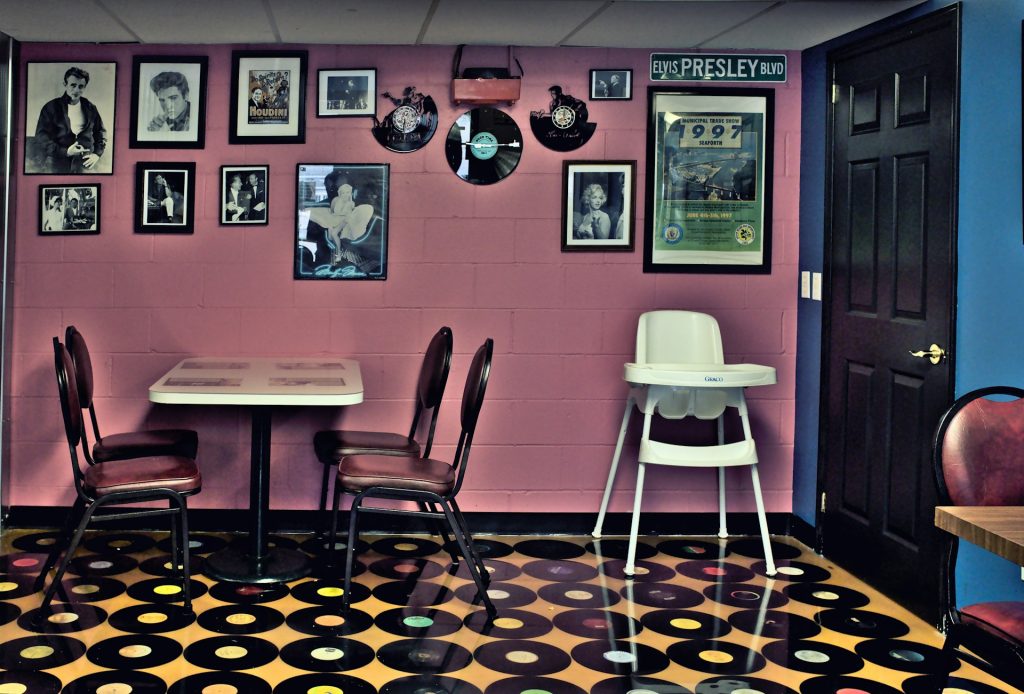
When people think about restaurant atmosphere, visual elements usually come first. Interior design, lighting, furniture, and décor all play an obvious role in shaping how a space feels. Yet sound is just as influential, even if it is less immediately noticeable. Music works quietly in the background, shaping mood, pacing, and expectations without demanding attention.
In well-designed restaurants, music does not exist separately from the visual concept. It reinforces the design choices already in place and helps guests intuitively understand what kind of experience they are stepping into. A sleek dining room paired with soft, modern sounds sends a different message than the same space filled with loud, upbeat pop.
Understanding the Role of Music in Brand Perception
Background music shapes how guests interpret a space almost immediately. Tempo can subtly influence how quickly people eat, how long they stay, and how relaxed they feel. Volume affects conversation comfort, while genre signals formality, familiarity, or creativity.
There is also a strong psychological link between sound and space. Humans instinctively look for coherence in their surroundings. When what they hear matches what they see, the environment feels intentional and comfortable. When it does not, even if guests cannot explain why, the space may feel off.
Consistent visual and auditory cues help diners recognize a restaurant’s brand values. A refined space paired with understated music suggests attention to detail and care. A casual, colorful room with upbeat tracks communicates energy and accessibility. This is why music should never be treated as an afterthought once the décor is complete. Sound is part of the design, not an accessory added at the end.
How Décor Style Influences Music Choice
A restaurant’s design style sets clear boundaries for music selection. Materials, lighting, layout, and color palette all influence what types of sound feel natural in the space. Below are common décor styles and the music approaches that tend to align best with them.
Modern or Minimalist Interiors
Modern and minimalist restaurants are often defined by clean lines, neutral colors, open layouts, and restrained décor. These spaces usually feel calm, uncluttered, and intentional.
Music that works well here mirrors that clarity. Downtempo electronic, modern jazz, or acoustic instrumental tracks provide rhythm without demanding attention. The focus is on subtle structure and consistent flow rather than dramatic shifts. Overly busy or emotionally charged music can feel intrusive in a visually quiet environment.
In these settings, clarity matters. Clean production and steady pacing help the music blend into the space rather than compete with it.
Rustic or Farmhouse Style Settings
Rustic and farmhouse-inspired restaurants tend to emphasize natural materials, warm tones, and a sense of comfort. Wood, stone, textured fabrics, and softer lighting create an inviting, lived-in feel.
Music in these spaces often leans toward folk, light Americana, acoustic blues, or singer-songwriter styles. The goal is not nostalgia for its own sake, but authenticity. Music should feel human and grounded, reinforcing the warmth suggested by the décor.
Seasonal adjustments can also work well here. Incorporating ideas from seasonal playlists for restaurants allows the sound to subtly reflect changes in menu or atmosphere without losing the core identity.
Fine Dining and Upscale Concepts
Fine dining spaces rely on refinement and restraint. High-quality materials, thoughtful lighting, and carefully spaced tables signal formality and attention to detail.
Music in these environments should support conversation and focus rather than draw attention. Classical selections, soft instrumental pieces, or ambient lounge tracks are common choices. Volume is especially critical. Even well-chosen music can feel disruptive if it is too loud or inconsistent.
Smooth transitions between tracks matter more than variety. Abrupt changes can interrupt the sense of calm and control that fine dining spaces aim to maintain.
Casual or Family-Oriented Spaces
Casual restaurants and family-friendly venues often feature brighter colors, approachable layouts, and a more energetic atmosphere. These spaces are designed to feel welcoming rather than polished.
Music here can be more upbeat and familiar. Light pop, soul, or well-chosen retro tracks help create a friendly, inclusive mood. The challenge is avoiding overstimulation. Music should support liveliness without overpowering conversation or creating noise fatigue.
In these environments, familiarity often matters more than novelty. Drawing from best playlists for restaurants can help maintain energy while staying broadly appealing to diverse audiences.
Creating a Consistent Brand Experience
Interior design, menu design, lighting, service style, and music all contribute to one sensory story. When these elements align, guests experience the restaurant as cohesive and intentional rather than fragmented.
Creating a sound program that aligns with brand narrative starts with understanding the target audience and the type of experience the restaurant aims to offer. Music choices should reflect not only décor, but also service pace and dining patterns.
Consistency can be maintained by following a few practical guidelines:
- Use playlists with predictable themes during key times of day
- Adjust rhythm and tempo between lunch and evening service rather than changing genres entirely
- Avoid sudden shifts in style that may confuse or distract guests
Many operators choose to work with providers who specialize in commercial music licensing for business to ensure legal compliance and professional curation. This approach also makes it easier to plan music strategically rather than relying on personal taste or ad-hoc streaming.
Why Mismatched Music Breaks Immersion
When music clashes with décor or dining style, it disrupts immersion. A rustic dining room paired with aggressive electronic tracks can feel jarring. An elegant space playing upbeat commercial pop may undermine the sense of refinement the design works hard to establish.
This mismatch creates cognitive dissonance. Guests receive competing signals from what they see and what they hear, which can reduce perceived quality and authenticity. Even if the food and service are strong, the environment may feel less convincing as a whole.
Research and operational insights, such as those discussed in how music influences table turnover, show that sound can affect how long guests stay and how comfortable they feel. When music feels out of place, guests may rush or disengage without consciously understanding why. Over time, these subtle reactions influence word-of-mouth impressions and repeat visits.
Best Practices for Music and Décor Harmony
Achieving harmony between music and interior design does not require complex systems, but it does require intention.
Restaurant owners and designers can benefit from a few core practices:
- Start considering music during the design phase rather than after opening
- Test playlists in the actual space to understand acoustics and volume needs
- Use volume zoning in large or open-plan dining rooms
- Refresh playlists periodically using approaches like planning music throughout the day in restaurants
Intentional curation matters. Random streaming or personal playlists often lack the consistency and structure needed for professional environments.
Music as the Finishing Touch of Design
Music completes the sensory identity of a restaurant. It reinforces what the décor suggests, supports how guests move and interact within the space, and helps the brand feel cohesive rather than fragmented.
When treated as a core design element instead of a last-minute addition, music for restaurants becomes a powerful tool for clarity and comfort. Harmony between décor, sound, and service does not draw attention to itself. Instead, it creates the kind of environment guests remember as feeling right, even if they cannot explain exactly why.
That quiet sense of balance is often what separates a pleasant meal from a truly memorable dining experience.