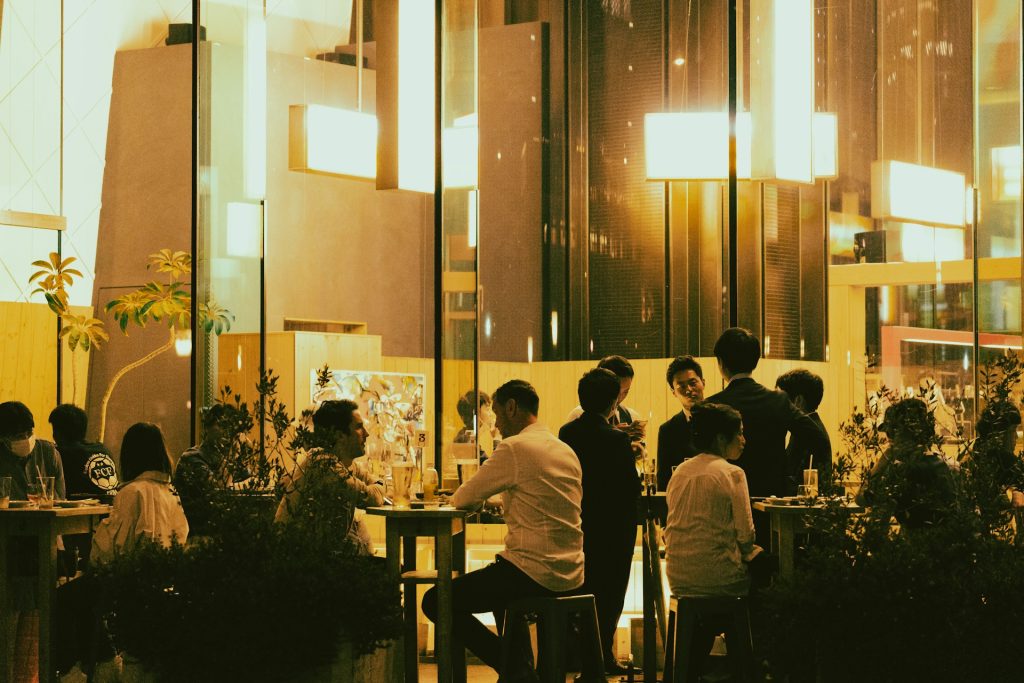
Creating the right atmosphere in a restaurant is about balance. Guests want to feel comfortable enough to relax, enjoy conversation, and take their time with a meal, but not so settled that service slows or tables remain occupied longer than intended. Achieving that balance is less about pushing efficiency and more about shaping how time feels inside the space.
One of the most effective tools for managing this dynamic is music for restaurants. When used thoughtfully, music works as a quiet behavioral cue, influencing mood, movement, and perception without drawing attention to itself. Guests rarely notice the music directly, yet it plays a role in how long they stay, how easily they converse, and how naturally they move through the dining experience.
The Psychology of Music and Dining Pace
Music shapes perception in subtle but consistent ways. Research in environmental psychology and hospitality management shows that background music influences how people experience time, energy, and even physical movement within a space.
Tempo is one of the strongest factors. Faster tempos tend to shorten perceived dining time and encourage quicker movement, while slower tempos stretch the experience and invite guests to settle in. Most diners are not consciously aware of this effect, yet their bite pace, posture, and conversational rhythm often synchronize with the background beat.
Volume plays a complementary role. Louder music raises energy levels and can reduce dwell time, but it also makes conversation more effortful. Softer music supports dialogue and comfort, though when paired with very slow tempos, it can unintentionally encourage extended stays. Understanding how volume and tempo influence dining behavior allows restaurants to fine-tune this balance without making guests feel managed or hurried.
Rhythm and familiarity also matter. Music that feels predictable and steady supports ease, while unfamiliar or overly complex styles can distract guests from the meal itself. The most effective music programs support flow rather than demand attention.
Encouraging Relaxed Dining Without Overcrowding
A full dining room does not need to feel congested. Music can help smooth transitions between seating waves, especially during peak periods when arrivals and departures overlap.
Moderate tempos tend to stabilize energy during busy service. They prevent the room from feeling rushed while maintaining momentum. Slightly brighter selections during opening or closing periods can signal changes in mood without making those transitions obvious.
Music works best when it aligns with other sensory elements. Lighting, staff movement, and even scent should support the same emotional tone. When these cues are consistent, guests experience cohesion rather than stimulation overload.
Many restaurants rotate music seasonally to maintain freshness without disrupting familiarity. Using approaches inspired by seasonal playlists that bring restaurants to life, operators can reflect changes in weather, menu, and guest expectations while keeping the atmosphere grounded in the restaurant’s identity.
How Music Guides Pacing Without Feeling Manipulative
Guests are sensitive to atmosphere, particularly when it feels artificial. Music that appears designed to control behavior often has the opposite effect, making guests uneasy or distracted.
This is where emotional tempo becomes important. Certain styles encourage calm attentiveness, others promote sociability, and some invite reflection. When emotional tone matches the physical space and service style, guests move comfortably through their meals without noticing any pacing cues.
Restaurants that achieve this balance often experience a sense of flow. Kitchen rhythm, service timing, and background music reinforce one another, creating an experience that feels intuitive rather than directed. Many operators achieve this by focusing on how to plan music through the day in restaurants, allowing sound to evolve alongside service phases instead of remaining static.
When music is integrated into operational thinking rather than added afterward, it becomes a support system rather than a signal.
Genres and Styles That Support Balance
No single genre works for every concept, but certain styles consistently support relaxed dining without slowing service.
Light jazz and modern bossa nova are common choices for evening dining. These styles provide rhythmic structure that supports movement while remaining unobtrusive, allowing conversation to take center stage. They are particularly effective in full-service environments where guests expect to linger without losing momentum.
For brunch and daytime service, indie folk or mellow R&B often works well. These genres feel familiar and warm, supporting social interaction without creating monotony. Early hours and quieter periods benefit from acoustic or instrumental playlists, including lo-fi and light instrumental selections that smooth transitions between seating waves.
Genre choice should reflect brand tone and guest expectations more than trends. Wine-focused restaurants often benefit from approaches rooted in wine and music a match made in heaven, where sound complements pacing and conversation. Italian concepts frequently draw from traditions associated with Italian restaurant music, reinforcing comfort and cultural familiarity.
Music services for business make it easier for restaurants to customize these styles across the day without relying on generic or repetitive playlists.
Adapting for Different Restaurant Models
1. Counter-service and fast-casual concepts
Fast-casual environments benefit from mid-tempo playlists with clear rhythmic patterns. These maintain energy and support efficient flow during rush periods without pushing guests out prematurely.
Volume can be slightly elevated during peak service to support movement and lowered during slower periods to create breathing room. Many operators refine these choices by experimenting with best playlists for restaurants, adjusting tempo and energy while keeping genre consistent.
2. Full-service dining
Full-service restaurants benefit from playlists that evolve gradually across the meal. Arrival music sets comfort, mid-service selections support engagement, and later tracks ease the transition toward the end of service.
Abrupt changes in tempo can disrupt flow and draw attention to pacing. Subtle adjustments preserve rhythm and help guests feel at ease. Restaurants often refine this balance by observing how music influences table turnover in restaurants, focusing on smooth transitions rather than speed.
3. Fine dining and experiential restaurants
Fine dining prioritizes restraint. Music should support conversation and service rituals rather than compete with them.
In these spaces, playlists are often aligned with reservation pacing instead of running continuously. Instrumental and minimalist selections maintain focus on the meal, with changes reflecting the progression of the evening rather than clock time.
Practical Programming Tips
Effective music programming relies on intention rather than constant adjustment.
Plan playlists around service rhythms instead of fixed time blocks. Train staff to understand why volume and tempo adjustments matter, particularly during transitions. Match playlist length to shift duration to avoid repetition that makes time feel more noticeable.
Sound quality also matters. Uneven coverage or poor speaker placement can undermine even the most thoughtful music choices, drawing attention to the system rather than supporting the atmosphere.
Crafting a Comfortable, Efficient Rhythm
Music works best when it stays in the background. Music for restaurants supports both comfort and efficiency when it guides pace quietly rather than directing behavior.
The most effective programs rely on intentional subtlety. Music becomes a gentle cue that supports flow, helping guests linger comfortably and leave naturally.
When sound, service, and space move together, restaurants find harmony between atmosphere and efficiency. The right rhythm is not about speed. It is about creating an environment where time feels balanced, and music keeps pace without being noticed.