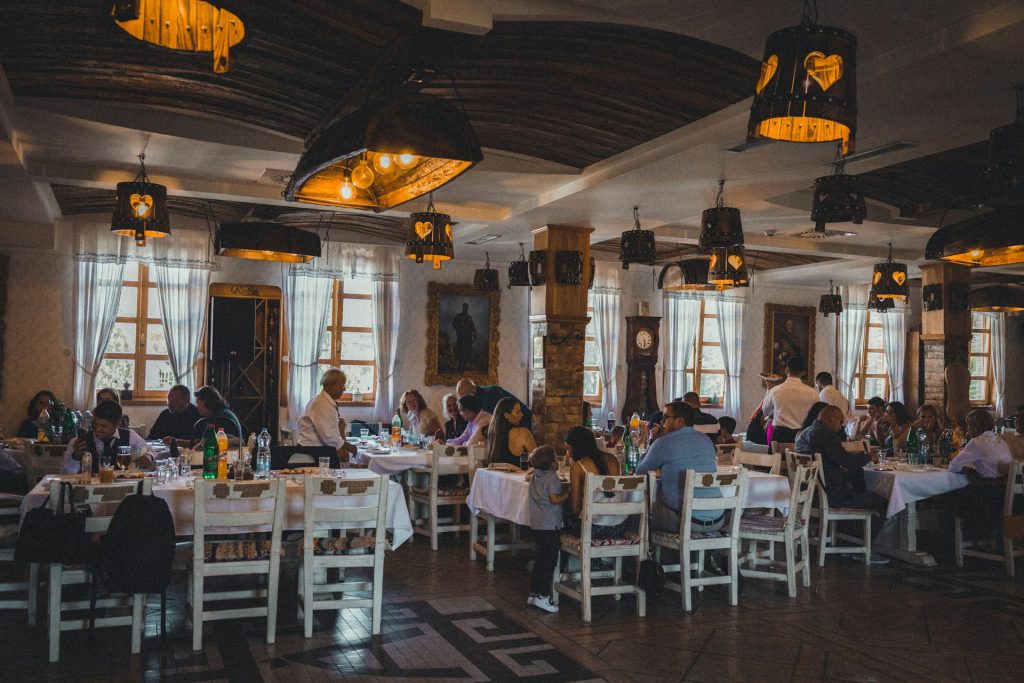
Open kitchens have become a defining feature of modern restaurant design. They communicate energy, transparency, and confidence. Guests can see food being prepared in real time, hear the rhythm of service, and feel connected to the craft behind the menu.
That openness also introduces a challenge. Sound travels freely. Clattering plates, ventilation systems, sizzling pans, and overlapping conversations all compete in the same space. When left unmanaged, that energy can shift from lively to tiring faster than most operators expect.
Atmosphere is shaped by more than lighting or furniture. Sound plays an equally important role in comfort and perception. Thoughtfully curated background music can act as a subtle acoustic layer, helping manage noise while preserving the buzz that open kitchens are known for. When planned carefully, music for restaurants becomes part of the environment rather than a distraction within it.
The Acoustic Reality of Open Kitchens
Open kitchen restaurants generate a complex soundscape. Unlike enclosed kitchens, there is no physical separation between food preparation and dining. Every movement, every impact, and every call carries across the room.
Hard materials often used in open designs amplify the issue. Tile, concrete, glass, and metal reflect sound rather than absorbing it. As occupancy increases, conversations grow louder to compensate, creating a compounding effect. What begins as background activity can quickly dominate the room.
From a guest perspective, unmanaged sound leads to fatigue and reduced speech clarity. From a staff perspective, it increases stress and makes communication more difficult. The solution is not silence, which would only make sudden noises more noticeable, but balance. This is where background music plays a functional role, helping soften contrasts and create a more consistent acoustic baseline.
How Music Can Mask and Balance Restaurant Noise
Noise masking does not mean covering kitchen sounds with loud music. It means introducing a controlled, continuous sound layer that reduces the sharpness of unpredictable noise. When the room already has a steady ambient presence, sudden sounds fade into the background rather than cutting through the space.
Music helps smooth transitions. Instead of silence interrupted by crashes and calls, guests experience a cohesive sound environment that feels intentional. Consistency matters more than volume.
A few practical principles guide this approach:
- Choose tracks with a stable presence rather than dramatic starts and stops.
- Match musical energy to service intensity rather than time of day alone.
- Avoid heavy bass, which travels farther and interferes with conversation.
Research into how music influences table turnover suggests that comfort and pacing are closely linked. In busy restaurants, guests tend to stay longer and communicate more easily when sound feels balanced rather than chaotic. Music supports that balance by creating continuity across kitchen activity, service flow, and dining conversation.
Creating Warmth Without Overwhelming Guests
Warmth in a restaurant is emotional as much as physical. Guests should feel welcomed into the space, not pushed by its energy. Music contributes to that feeling through tone, texture, and consistency.
Styles that work well in open kitchens often share a few traits. They are rhythmically steady, rich without being dense, and familiar enough to feel comfortable. Many of the best playlists for restaurants focus on jazz-influenced instrumentals, modern soul, soft electronic textures, or indie tracks that add depth without demanding attention.
Volume consistency is just as important as music selection. Uneven coverage creates pockets of discomfort where guests feel overwhelmed while others barely hear the music at all. Even distribution allows the soundtrack to do its work quietly.
In spaces where food and drink are central to the experience, music should support social flow. In wine-focused dining rooms, thoughtful pairing of sound and setting encourages relaxed conversation and slower pacing without feeling forced. The music is present, but it never competes with the table.
The Art of Blending Music With Movement
Restaurants are dynamic environments. Staff move continuously, guests arrive and depart in waves, and kitchens operate at shifting speeds throughout service. Music that ignores this movement can feel disconnected from the room.
Blending music with movement means selecting tracks that complement how the space functions at different moments. In high-traffic service zones, light percussive elements can help unify the soundscape and mirror the natural rhythm of activity. In dining zones, smoother mid-tempo selections help preserve intimacy even when the room is full.
Planning music throughout the day allows operators to adjust energy subtly without relying on volume changes. A brunch service may call for brighter, more open textures, while evening dining benefits from warmer, more settled tones. Over time, this approach builds a consistent sound identity that guests recognize even if they cannot name specific tracks.
Seasonal adjustments also play a role. Many restaurants use seasonal playlists for restaurants to reflect menu changes, shifts in daylight, or evolving guest expectations without altering the core brand sound.
Why Music Matters More in Open Kitchen Settings
In restaurants with enclosed kitchens, noise is contained. The dining room has a built-in buffer. Open kitchens remove that barrier, turning sound into a shared experience across the entire space.
Because of this, music becomes part of the restaurant’s functional design. It helps define boundaries that architecture no longer provides. A well-curated soundtrack creates cohesion between kitchen and dining areas, guiding how sound feels as it moves through the room.
There are operational benefits as well. Balanced sound environments reduce perceived stress for staff and support clearer communication. Guests sense that ease, often without realizing why the space feels comfortable despite the activity around them.
Treating music as an intentional design element acknowledges its role alongside lighting, materials, and layout. In open kitchens especially, sound planning deserves equal attention.
Practical Takeaways for Restaurant Owners and Designers
For operators and designers working with open kitchens, music choices should be tested in real conditions, not chosen in isolation.
Start by observing how sound behaves during live service. Notice where noise builds and where silence feels exposed. Select playlists that respond to those patterns rather than fighting them.
Understanding how to choose the best music for your restaurant means aligning sound with concept, decor, and movement. Collaboration between managers, designers, and sound specialists often produces the most effective results.
When curated thoughtfully, music supports both guests and staff. It shapes an atmosphere that feels lively without becoming overwhelming, allowing open kitchens and busy dining rooms to thrive together.