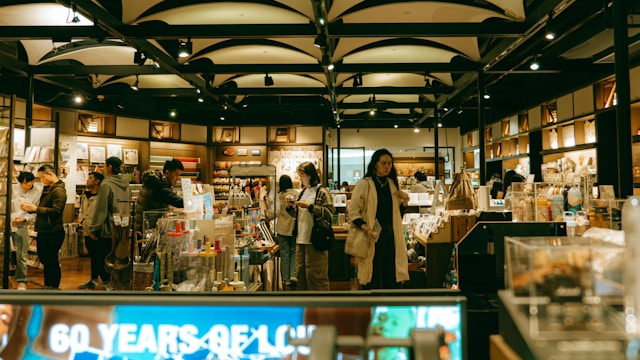
Silence feels harmless, but in a retail setting it often works against the atmosphere a store is trying to create. Many retailers focus on lighting, layout, and displays while overlooking sound. Yet audio shapes how customers feel when they walk in, how long they browse, and how they interpret the brand. A quiet store can make people uncomfortable without anyone realizing why.
Silence affects mood, pacing, and even sales behavior. It also removes an important tool for shaping environment and the brand identity of a business. A thoughtful approach to sound helps maintain comfort and keeps the space feeling active and welcoming.
The Psychology of Silence in Retail
Most people do not enjoy silence in public spaces. It can make them feel exposed or watched. When the room is quiet, every movement seems louder than it should be. Footsteps echo. Hanging racks click. Conversations feel too public. The lack of ambient sound increases self-awareness, which often leads to tension.
Psychology research shows that silence amplifies small noises that would normally fade into the background. When those sounds stand out, the shopping experience feels less comfortable. Customers may move quickly, limit browsing, or step back from engaging with products. Instead of settling in, people become more aware of finishing their tasks and leaving.
A store without music also loses emotional warmth. There is nothing to soften the space or guide the mood. People sense the difference right away. Even if they never name it, they respond with shorter visits and fewer casual explorations of products. Using great music playlists for retail shops can restore that sense of ease by adding a gentle audio layer that helps people relax into the environment and feel like they belong there.
How Sound Shapes Customer Behavior
Sound influences subtle but important behaviors. It affects how fast someone walks through a store. It affects whether they take time to browse or head straight to the exit. It influences whether the space feels energetic or calm. Music can set the tone long before customers interact with a product or employee.
Different types of music create different effects. Soft, slower tracks tend to encourage people to linger. This works well in boutiques, home goods stores, and lifestyle spaces where discovery is part of the experience. Upbeat playlists help support environments with faster turnover, such as athletic stores or busy convenience-driven locations.
Tempo and volume influence perception, but genre choice matters too. Customers use sound as a clue for understanding what a brand represents. A relaxed acoustic mix creates a different feeling than rhythmic electronic tracks. When audio aligns with a store’s personality, the environment feels natural and intentional.
Studies have shown clear differences in behavior when music is present. In many cases, shoppers stay longer, feel more comfortable, and engage more with displays when the sound environment is well managed. Many grocers rely on music for supermarkets for this reason, using steady, familiar playlists to guide pace without overwhelming the space. This shows that audio is more than decoration. It gently shapes what people do.
The Hidden Costs of Silence
Silence brings challenges that are easy to overlook. When a store is quiet, every sound feels highlighted. This increases pressure on customers who may worry about being heard or noticed while browsing. That tension can shorten visits and reduce the chance of unplanned purchases.
Silence also affects staff. Conversations with customers feel more awkward because the room does not absorb sound. Employees may speak more quietly, which can make interactions less clear or confident. When the store feels too quiet, the entire space can come across as hesitant rather than welcoming.
A silent environment can also weaken brand identity. Sensory cues help people form memories. Retailers use scent, lighting, and visuals to build recognition. Sound plays the same role. Without it, the experience has fewer layers to connect with customers.
When nothing anchors the atmosphere, shoppers are less likely to remember how the store felt. That can make return visits less likely and reduce the emotional connection that supports long-term loyalty.
Crafting the Right Sound Strategy
A strong sound strategy starts with selecting audio that fits the brand. Retailers should choose licensed background playlists that reflect their identity and meet the expectations of their target audience. A children’s store needs a different vibe than a luxury clothing brand. The goal is to create an environment that feels intentional and comfortable.
Volume is another key element. Music should be audible without overpowering conversation. Consistent levels help prevent sudden shifts that distract customers. Larger stores may benefit from setting different volumes in different zones so the sound transitions naturally from one section to another.
Time of day matters too. Mornings may call for calmer music that eases customers into the space. Afternoons may need a bit more rhythm as foot traffic increases. Evenings might require something smoother that supports browsing without rushing people. Adjusting playlists throughout the day keeps the room balanced.
Legal compliance is also essential. Playing audio publicly requires proper commercial music licensing. Many managers look into music license costs for retail stores, since fees depend on square footage, the number of locations, and the type of service used. Licensed business music solutions simplify these requirements by handling performance rights, offering curated music for businesses playlists, and ensuring all content is approved for commercial use. This removes the risk of relying on personal streaming accounts that are not permitted for business environments.
Feedback from customers and staff plays a valuable role as well. Employees hear the music all day. They often know when something feels off. Listening to their input helps refine playlists and maintain the right mood for the store’s needs.
Why Sound Still Matters
Silence in retail spaces may seem neutral, but it often works against the environment. It heightens tension, reduces emotional comfort, and leaves customers without cues that help them settle into the space. A store that feels too quiet can unintentionally push people to move faster and interact less with the products around them.
A purposeful soundscape creates a smoother, more welcoming shopping experience. It gives the space rhythm, warmth, and clarity. Many retailers use background music for retail shops to maintain that sense of balance and keep the atmosphere consistent throughout the day. When audio supports the brand, it becomes easier to guide mood and create a cohesive identity.
Sound is a small detail, but it carries real weight. When used thoughtfully, it helps turn ordinary visits into pleasant, memorable moments that support long-term business success.