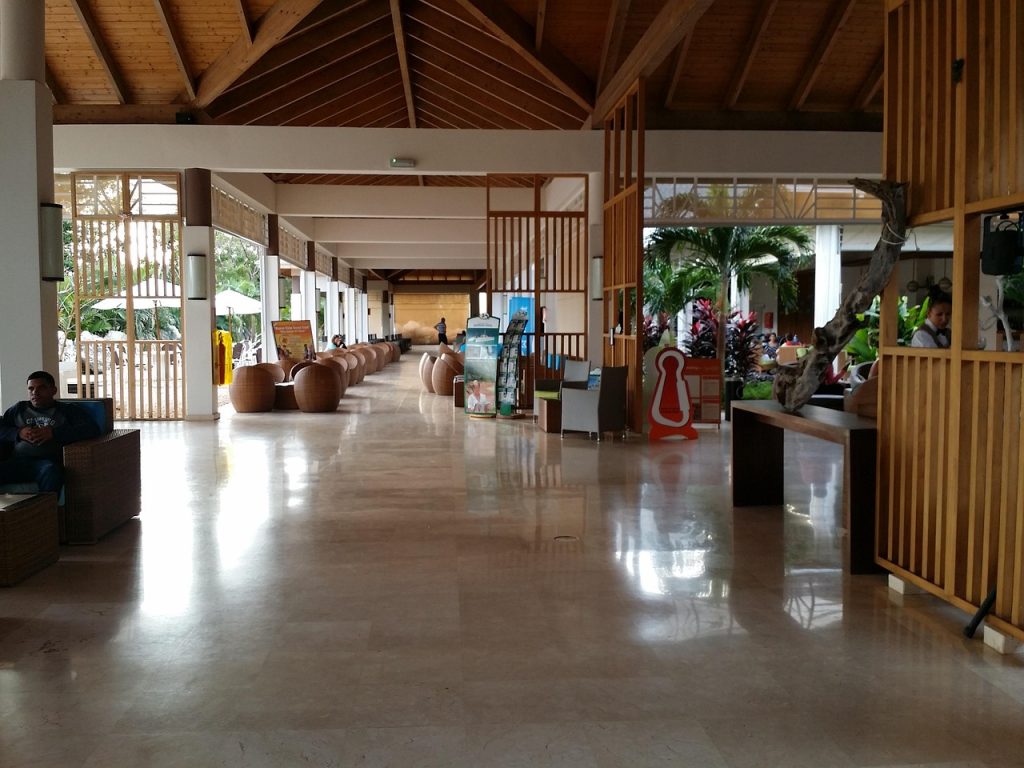
There is a moment that happens before a guest reaches the front desk, before they hand over an ID or hear a welcome. They walk through the door and something registers immediately. Not consciously, but it does register. The temperature of the air. The lighting. And the music.
That moment matters more than most hotels give it credit for.
Music in entrances, lobbies, and shared spaces is not background noise. It is one of the first signals a property sends about who it is and what a guest should expect. Get it right, and guests arrive relaxed and oriented. Get it wrong, and you are already working against yourself before a single conversation has taken place.
The Lobby as a First Impression
Hotel lobbies carry a lot of weight. They are transitional spaces where guests move from the outside world into yours. Fatigue from travel, uncertainty about the stay, and general sensory overload are all things guests bring through the door with them.
Music has a real role to play in easing that transition.
A well-chosen playlist can lower stress levels, orient guests to the feel of the property, and communicate a sense of welcome without anyone saying a word. The right tempo, volume, and genre signal whether this is a place for quiet restoration or social energy, for business efficiency or leisure unwinding.
This is why thoughtful music for hotels goes beyond picking songs people might recognize. It is about curating a consistent experience that reflects the property’s identity from the very first second.
Music Communicates Before Words Do
Guests form impressions of a hotel in seconds. Research in environmental psychology consistently shows that sensory cues, including sound, shape how people evaluate the spaces they enter. Music influences mood, perceived wait times, and even how much guests are willing to spend.
Think about what different musical choices communicate. Soft acoustic guitar says unhurried and personal. A curated indie playlist signals creative and contemporary. Classical or jazz says refined and traditional. None of these requires a placard or a pitch from a staff member. The music speaks for the brand on its own.
That communication starts before check-in. It starts at the door. And it continues through every shared space a guest moves through during their stay. Understanding how music shapes guest perception from check-in to check-out is one of the more practical steps a hotel can take to strengthen its overall guest experience.
Matching Music to the Space and the Guest
Not every area of a hotel should sound the same. A lobby at 7 AM on a Tuesday morning has a different guest profile than the same lobby on a Friday evening. A boutique lifestyle hotel in a city center attracts different guests than a resort spa property. Music programming needs to account for all of this.
Tempo is a useful starting point. Slower tempos tend to encourage guests to linger and feel settled. Faster tempos create a sense of energy and forward movement, which may work well in a busy check-in area during peak times, but can feel jarring in a relaxation-focused property.
Volume is equally important. Music that is too loud competes with conversation and creates tension. Too quiet, and it loses its effect entirely, leaving a space feeling flat or empty. The goal is for guests to feel the music without actively noticing it.
Genre matters, but it does not have to be rigid. A property can have a defined sonic identity while still allowing for variation across zones and times of day. A good starting point is to develop a core reference point for the brand and then build flexibility around it. Exploring some well-curated hotel lobby playlists can help illustrate how different approaches land in practice.
Zoning: Different Spaces, Different Sounds
The lobby is only one piece of the picture. Guests move through fitness centers, pool areas, restaurants, spas, and corridors. Each of these spaces has a distinct purpose and a distinct guest mindset.
A gym needs music that motivates. A spa needs music that calms. A bar or lounge needs music that adds energy without dominating. When these zones bleed into each other sonically, it creates a kind of cognitive friction that guests may not be able to name but will definitely feel.
Effective hotel music zoning treats each area as its own environment with its own programming logic. This is not about overcomplicating the process. It is about being intentional. A dedicated music system with zone control makes it straightforward to maintain separate playlists for different areas without constant manual management.
Consistency Builds Trust
One of the less obvious functions of music in a hotel is the role it plays in building a sense of consistency. When the music in the lobby, the elevator, the restaurant, and the pool deck all feel like they belong to the same property, it creates a coherent experience that guests register as professionalism.
When the music shifts dramatically from space to space, or when it clearly has not been updated since the property opened, it sends a different signal. It suggests that the details have not been attended to. And guests who notice the details in a negative way tend to apply that observation more broadly.
Consistency does not mean playing the same playlist on a loop everywhere. It means that the music programming across the property reflects a unified identity, even as it adapts to different spaces and times. This kind of thoughtful approach extends beyond the lobby and covers every touchpoint where a guest might be listening.
Practical Considerations for Getting It Right
A few fundamentals are worth keeping in mind for any property reviewing its music programming.
Volume should be checked at guest level, not from behind the desk or in a back office. Walk through the space as a guest would and listen.
Playlists should be refreshed regularly. Music that felt fresh at launch can start to feel stale after a few months, and repeat guests will notice.
Licensing matters. Playing music publicly without the appropriate licensing exposes a property to legal risk. A reputable music service handles this on behalf of the property, which removes the administrative burden entirely.
Finally, seasonal and time-of-day programming is worth the effort. A lobby that sounds slightly different at breakfast than it does at dinner shows attentiveness to the guest experience at each stage of the day.
For hotels building or refining their approach, reviewing established hotel music best practices is a useful place to anchor the decision-making process.
The Takeaway
Music in public spaces is one of the few hospitality tools that operates continuously, reaching every guest, all day, without requiring any direct service interaction. It sets a tone, communicates a brand, and shapes how guests feel about a property before a single member of staff has said hello.
For hotels that invest in getting it right, the payoff is not just a nicer atmosphere. It is a more coherent guest experience from the moment someone walks through the door, and that coherence has a way of making everything else feel a little more intentional too.