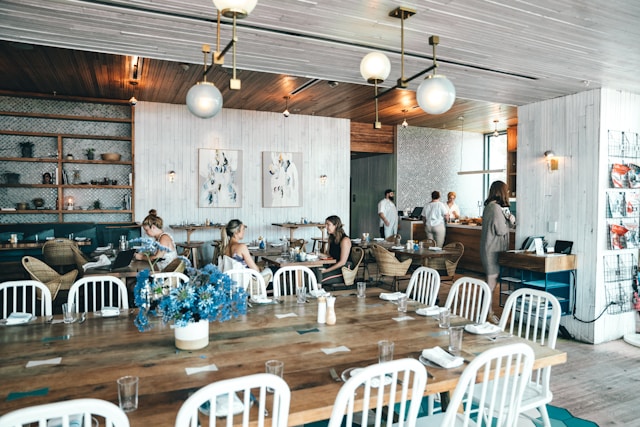
Modern cafés serve more than one purpose. They are meeting spots, personal workspaces, study hubs, and places to unwind. People come for coffee, but they also come for the atmosphere. That atmosphere is shaped by light, layout, and design, but sound is often the factor customers notice without realizing it.
The blend of chatter, clinking cups, and soft background playlists can define how a space feels. When the sound environment is balanced, the room feels comfortable and alive. When it is not, customers sense it immediately.
Most cafés sit on a spectrum between natural background noise and intentional background music. Using background music for cafés simply becomes part of finding the right point on that spectrum, helping shape a consistent and comfortable environment.
Understanding Background Noise
Background noise includes everyday sounds created by a café. Customers talking, espresso machines running, chairs shifting, milk steaming, and even nearby street activity. These sounds are part of the café’s personality. For many people, this natural soundscape makes the space feel lively and warm.
There are clear advantages. Natural noise creates authenticity. It signals that a café is active and social. It can also help people feel less self-conscious because their own conversations blend into the environment. For cafés that want a community-centered atmosphere, this spontaneity works well.
There are also drawbacks. Natural noise is unpredictable. A loud blender or a sudden burst of conversation can interrupt focus. For people working or reading, inconsistent volume can be tiring over time. Smaller spaces also have a harder time absorbing noise, which can make the room feel crowded even when it is not full.
Natural background noise fits best in busy urban cafés or neighborhood spots where social energy is part of the brand. It is less effective in cafés designed for quiet study or long work sessions, where customers expect a more controlled environment.
The Case for Background Music
Background music is intentional. It involves selecting tracks or playlists that match the café’s identity, time of day, and customer base. Curating the right sound for cafes often starts with understanding how different moods unfold throughout the day. Morning might call for slower acoustic songs. Afternoon traffic may suit upbeat indie or soft pop. Evening service can shift toward deeper, more atmospheric tracks.
Music helps set emotional tone, and the influence of volume and tempo plays a major role in how customers experience the space. Tempo affects how energized or relaxed people feel. Volume influences comfort and conversation. Genre choices help tell customers what kind of experience the café offers. These effects may seem subtle, but they create a steady undercurrent that guides how the space functions.
The benefits are clear. Music provides consistency. Owners can control volume and genre so the room stays balanced even during noisy rush hours. Coffee shop music playlists can help mask chaotic sounds and keep stress levels down. Music also shapes your cafés brand identity, becoming part of the aesthetic people associate with the space. Even subtle background choices influence how customers perceive atmosphere, care, and character.
There are challenges to consider. Playing music publicly requires proper licensing, and not all cafés are aware of these requirements. Commercial music licensing for business helps ensure compliance, but it is often overlooked. Choosing the wrong playlist for the time of day or playing music too loudly can be distracting. Good sound management requires attention, but the results are often worth it.
Practical Considerations for Café Owners
The right sound strategy depends on understanding the café’s physical space and customer behavior. Room size, ceiling height, wall materials, and layout all influence acoustics. A small café with hard surfaces may need more controlled sound management than a larger space with natural absorption.
Owners can begin by testing sound setups at different times. Morning, afternoon, and early evening all have unique noise patterns. Small adjustments in music volume or playlist type can create noticeable differences in comfort.
Simple tools such as sound level apps can help maintain a consistent range, usually around 60 to 70 decibels. This range supports conversation without overwhelming customers who are working or studying.
Music scheduling is another helpful strategy. Calmer playlists during slower periods can encourage people to linger. Higher-energy tracks during busy hours can support flow and staff efficiency.
Licensing should not be overlooked. In the United States, organizations like BMI, ASCAP, SESAC, and GMR manage public performance rights. Using licensed music ensures compliance and prevents unexpected penalties.
Customer feedback is valuable too. A quick survey or casual conversation can reveal whether people prefer the natural sounds of the room, quiet music in the background, or something more energetic.
Finding the right balance is an ongoing process. The goal is to create an ambiance that feels intentional yet effortless.
The Psychological and Social Effects of Café Soundscapes
Cafés act as “third places.” Not home, not work, but somewhere in between. Sound plays a big role in shaping that identity. A comfortable soundscape encourages people to stay, relax, and return regularly.
Ambient sound also influences social behavior. Moderate noise can create a feeling of shared experience without making people feel watched or overheard. Curated music deepens this effect by shaping the emotional tone of the room.
Sound does not only affect customers. Staff also benefit from a well managed environment. A balanced soundscape helps reduce stress during busy periods and can improve communication behind the counter.
When cafés approach sound with intention, they create environments that support both social interaction and personal comfort.
Closing Thoughts on Café Soundscapes
Background noise and background music each bring value to modern cafés. Natural noise creates authenticity and energy. Curated music provides stability and emotional tone. The most effective cafés learn how to use both depending on the moment, the crowd, and the space itself.
Sound management is as important as lighting or seating. It is an active part of shaping customer experience and overall ambiance.
By listening closely and adjusting often, café owners can create spaces that feel inviting, comfortable, and true to their identity. Sound should never be an afterthought. It is one of the most influential tools in building a memorable café atmosphere.