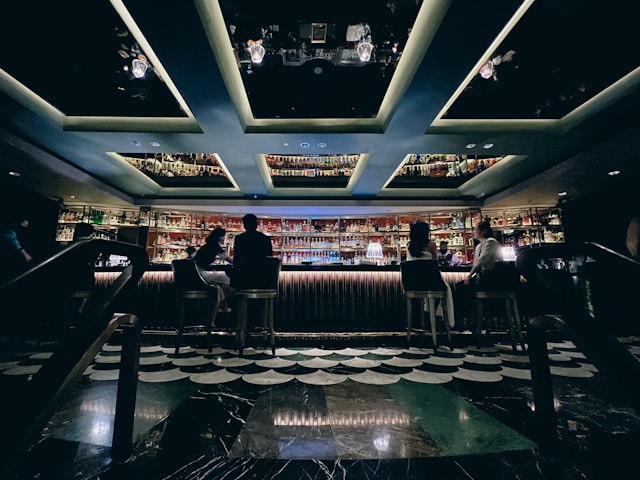
Music does more than fill silence. In a bar, it shapes how people interpret the space, how long they stay, and what kind of night they expect to have. The soundtrack you choose influences mood, pace, and how customers move through the room. It also supports staff as they manage different waves of traffic from the first guest to the last drink order.
When background music in bars is selected with intention, it becomes a tool rather than a backdrop. A good playlist helps manage energy, smooth transitions, and reinforce a bar’s personality. The goal is simple. Use sound to set the right tone at every point in the day. With a thoughtful flow, you can guide the atmosphere from the calm of opening to the final wind down.
The Role of Music in a Bar’s Identity
A bar’s identity is shaped by many things. Lighting, layout, menu design, and staff communication all contribute to the experience. Music is part of that package. It signals the type of place you run before anyone orders a drink.
A dive bar with gritty rock creates a different expectation than a cocktail lounge with soft electronic beats. A sports bar with upbeat classics sets a more energetic tone than a wine bar with jazz and soul.
Consistency matters. When the music supports the brand, guests understand the environment quickly. They know whether the bar is meant for conversation, dancing, relaxation, or social buzz. This clarity also helps attract the right audience. People return to places where the atmosphere feels predictable and comfortable.
Music can even influence behavior. Jazz might encourage slower pacing and longer conversations. Indie rock may appeal to younger groups who enjoy a more casual feel. Latin rhythms can boost movement and create a livelier room. Thinking about music as part of branding helps owners build experiences with more intention.
Setting the Mood Early: Opening Hours
Opening hours shape the foundation for the entire day. The room is quiet, staff are prepping, and early guests often want a calm space. Music during this time should match that tone. Softer genres help ease people into the day. Acoustic tracks, mellow soul, or light electronic playlists keep the environment warm without demanding attention.
Lower volumes create comfort for patrons who come in to read, work, or enjoy a slow afternoon drink. It also helps staff settle into their rhythm. A relaxed soundtrack supports focus during setup and allows teams to communicate easily.
As the afternoon progresses, small shifts can help match increasing foot traffic. Slightly higher tempos or fuller arrangements signal that the day is beginning to build. A dedicated warm up playlist makes these transitions easier to manage, especially for bars that move from daytime calm to evening social energy.
Building Energy During Peak Hours
Evening is when most bars hit their stride. Music becomes one of the primary tools for driving momentum. Choosing the right moment to increase tempo, switch genres, or raise the volume can change how customers interact with the space. A steady build keeps the room feeling lively without overwhelming people.
Crowd cues are helpful. If guests lean in to talk, the music might be too loud. If people lose energy or conversations stall, a shift toward more rhythmic or upbeat tracks can help. Staff behavior is also a strong indicator. Bartenders often sense when the room needs a lift or when the pace should slow slightly. Matching staff energy with music energy helps create a unified environment.
Genre selection depends on the venue. Bars with a broad audience may benefit from pop, R&B, or well known remixes in the evening. Rock classics can create a timeless feel. Electronic or dance inspired tracks work for venues that want a more modern edge. The key is consistency. Abrupt changes in tone can disrupt the room. Smooth adjustments make the night feel intentional.
Some bars rely on digital tools or licensed music services for business to automate transitions. These options help maintain flow and avoid sudden shifts that might break the atmosphere.
Maintaining Flow Through Transitions
Transitions are where many bars lose momentum. A playlist that jumps from one style to another can confuse guests and interrupt conversation. Smooth progression keeps people comfortable. It also encourages them to stay longer.
A thoughtful transition uses gradual shifts in tempo, tone, or genre. Bridge songs can help connect two different parts of the evening. These tracks usually sit between styles so the change feels natural. Volume adjustments can also guide the room without drawing attention.
A simple example is moving from early evening soul to more beat driven selections. Instead of making a hard switch, choose songs that share similar rhythms or instrumentation. This keeps the ambiance cohesive and helps the night unfold in a steady, appealing way.
Last Call and Wind Down Playlists
As closing time approaches, music becomes a gentle signal. Tempo and volume influences behavior. Slower tempos and lower volumes encourage guests to finish conversations, settle tabs, and prepare to leave. This shift reduces the need for staff to make constant announcements. Customers pick up on the cues naturally.
Wind down playlists often include acoustic songs, mellow indie, chill electronic, or softer R&B. These genres create a warm exit mood and help people transition out of the space gracefully. This moment also influences how guests remember the bar. Ending on a tone that fits the brand leaves a final impression that feels intentional and consistent.
The goal is not to clear the room abruptly. It is to guide the end of the night with the same thoughtfulness that defined the earlier hours.
Legal and Licensing Considerations
Bars must ensure their music is licensed for public performance. In the United States, this includes working with performing rights organizations such as ASCAP, BMI, SESAC, and GMR. Each represents different songwriters and catalogs. Using personal streaming accounts like Spotify or Youtube Music does not cover commercial use. These platforms are designed for private listening and cannot legally be used in public venues.
To simplify compliance, many bars use business music streaming platforms like SoundMachine that handle licensing on behalf of the venue. These services offer playlists created for commercial environments and ensure that the proper royalties are paid. The goal is simply to avoid fines and keep operations smooth. Licensing does not have to be complicated when owners choose tools built for business use.
Using Data and Feedback to Improve
Music programming improves with observation. Watching how guests respond can reveal clear patterns. Certain music may shape flow, dwell time, and cue. Others may help staff stay upbeat during busy stretches. Tracking sales or noting customer flow during specific playlists can provide useful insights.
Staff feedback is valuable as well. Bartenders and servers are often the first to notice when a soundtrack works. They spend hours listening and interacting in the space. Their insights help refine choices and improve consistency.
Bars can also gather light feedback from customers. Social polls, quick comment boxes, or casual conversations can highlight preferences without much effort. Creating a small rotation of proven playlists helps maintain variety while keeping the atmosphere familiar. Adjusting selections with seasons or themed nights keeps the experience fresh.
Bringing the Night Full Circle
Music is one of the most reliable tools for shaping a bar’s atmosphere. With thoughtful planning, it helps guide mood from the quiet of opening hours to the energy of the evening and into the soft close of last call. Each stage of service benefits from intentional programming, especially when you choose music that keeps bar guests staying longer by matching the room’s pace and emotional tone.
The goal is to balance timing, tone, and consistency. When playlists flow naturally, guests feel more comfortable and engaged. Staff also benefit from an environment that supports their pace and communication.A well designed program strengthens music business brand identity, improves guest experience, and helps create memorable nights. By paying attention to musical flow, bar owners can set the tone for every hour they are open.