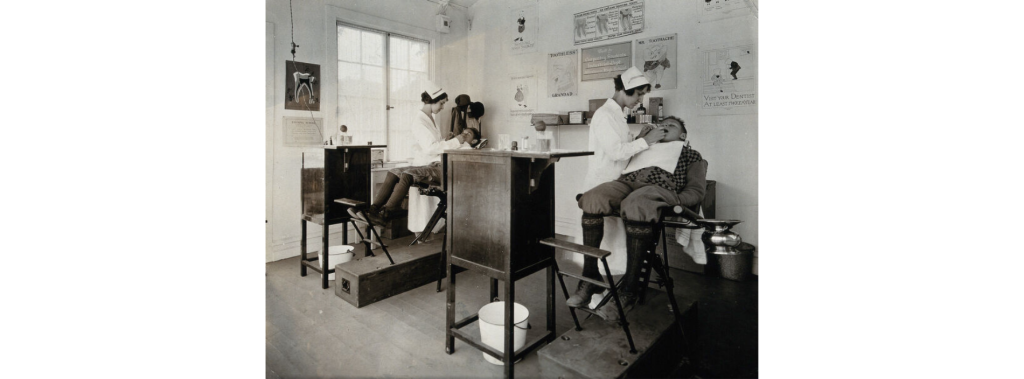
Many people feel anxious about dental visits. The fear can come from past discomfort, the sound of equipment, or simply the feeling of not being in control.
For both adults and children, these worries often begin before the appointment even starts. The environment plays a major role in shaping that stress. Waiting room noise, conversations, and sharp clinical sounds can all heighten tension.
Music for dental offices is one of the simplest ways to soften that experience. When chosen thoughtfully, background audio can make a space feel calmer, more predictable, and more welcoming.
The right music also helps patients settle, supports staff as they work, and keeps the overall atmosphere steady from morning to late afternoon.
How Music Helps Reduce Anxiety
Calming music in clinics works because it communicates safety. Slow tempos, gentle dynamics, and predictable melodies naturally slow the heart rate and help ease physical tension. Instead of pulling attention, the music offers a soft blanket of sound that lets the nervous system settle.
Instrumental tracks or lyric-light playlists are especially effective for anxious patients. Without a strong vocal line, the brain is free to focus on breathing and staying present. This approach also masks the sudden sounds of drills or suction, which can otherwise trigger discomfort.
Consistency matters too. Sudden volume spikes or abrupt genre changes can startle patients and make them feel uneasy. A steady style throughout the visit reinforces the sense that everything happening around them is under control.
What Patients Want to Hear in a Dental Office
Most patients prefer music that feels familiar yet unobtrusive. Calm acoustic songs, soft pop, mellow jazz, and gentle instrumental playlists tend to create a safe emotional tone. SoundMachine offers several stations that fit this need, including options like Chill Pop or Easy Listening, which provide soft, steady melodies that feel approachable without drawing too much attention.
Music that is too intense can work against relaxation. Loud rock, aggressive electronic tracks, or playlists with explicit lyrics increase cognitive load and can raise stress levels. For pediatric settings, overly energetic music can make children restless, while older adults may prefer classic or jazz-leaning styles.
Balancing different age groups and cultural backgrounds is also important. A dental office does not need to match every preference, but it should aim for styles that feel comfortable to most people. The goal is not entertainment. It is emotional steadiness.
Matching Music to Different Dental Office Spaces
A. Waiting Room: First Impressions and Comfort
The waiting room is often where anxiety peaks. People are anticipating what will happen next, and external sounds can feed their stress. Calming audio can help regulate this moment and create a smoother entry into the appointment. In many practices, thoughtfully chosen waiting room music for medical centers plays a key role in setting that initial sense of ease.
Warm, melodic stations work well here. Options such as Soft Indie Psych and Surf Rock, Mellow Downtempo, Smooth Jazz Instrumentals, or Top Jazz offer gentle, reassuring sound without feeling overly clinical.
These styles also pair naturally with quiet conversation and help mask any sounds coming from treatment rooms.
Volume should stay low but present. It should be easy for front desk staff to speak with patients while ensuring that background noise feels intentional rather than accidental.
B. Operatory Rooms: Calming the Chair Experience
Once a patient is in the chair, the environment needs to feel even more grounded. Steady, predictable music reduces the emotional impact of dental equipment and gives patients something gentle to focus on.
Instrumental stations are especially effective in this space. Relaxing Guitar Instrumental provides soft acoustic guitar without vocals, while Gentle and Melodic Classical Piano delivers calm classical pieces that avoid dramatic changes. Ambient Sleep and Relaxation offer an atmospheric soundscape that helps soften sharp frequencies and steady breathing.
Some offices find it helpful to let patients choose from a short list of pre-approved calming stations. That small choice can boost their sense of control and comfort.
C. Front Desk and Staff Areas: Supporting Focus and Energy
Staff often benefit from music that is upbeat enough to maintain energy but still subtle during calls or administrative tasks. The style here can differ slightly from patient-facing spaces while still feeling cohesive with the wider office.
Stations such as Modern Lounge – Mix (Instrumental) or Chill Beats offer light electronic and downtempo tracks that feel modern but unobtrusive. Soft Deep House – Instrumental is another steady option for busy parts of the day.
Separating staff audio from patient audio can be helpful, but it should still feel like part of the same brand atmosphere.
Practical Guidelines for Building a Dental Office Music Program
A successful music plan is built on consistency. Consider these core selection criteria:
- Clean lyrics and family-friendly content
- Moderate tempos and gentle dynamics
- Predictable pacing without sudden intensity
- A focus on soothing, supportive sound rather than entertainment
Playlists with explicit hip hop, heavy metal, or high-intensity workout tracks should be avoided in patient areas. These styles can increase tension and do not align with the emotional needs of a clinical environment.
Curated stations are especially helpful in dental settings because they reduce the risk of jarring or inappropriate tracks. They also simplify compliance, since offices do not need to manually manage song-by-song selections.
Some practices use schedule-based programming. For example, a brighter morning station like Happy Pop can lift early-day mood, while late afternoon playlists can shift toward Electronic Chill or World Chill. All selections should still feel calm and patient-friendly.
Legal and Licensing Considerations
Playing background music for business requires proper licensing. Consumer streaming accounts are intended for personal use and typically do not cover public or commercial environments. Dental offices risk fines when they rely on personal playlists such as Spotify or Apple Music.
Licensed business music services, such as SoundMachine, simplify this process by providing pre-cleared stations and handling royalty requirements behind the scenes. This ensures compliance without adding extra administrative work to the practice.
Implementation Tips for Dental Teams
A clear, simple process helps keep the audio environment steady even as staff rotate. Consider the following steps:
- Select a small group of core stations for waiting rooms, operatories, and staff zones
- Test volume levels during busy periods and with equipment running
- Ask patients occasionally whether the music feels calming or distracting
- Train staff to switch stations smoothly and maintain consistent sound
- Document a brief “music policy” so the atmosphere stays aligned with the practice’s goals
These steps help reinforce a predictable, comforting experience for patients while giving staff an easy-to-manage system.
Conclusion: Small Change, Real Comfort
Many people arrive at dental visits already feeling nervous. A thoughtfully designed sound environment can make those moments much easier. Calm playlists send subtle signals of safety, help mask stressful equipment noise, and support smoother interactions throughout the office.
With predictable, patient-friendly stations guiding the atmosphere, dental teams can create a setting where patients feel cared for from the moment they walk in. A small change in music can become a meaningful part of a more comfortable and welcoming dental experience.