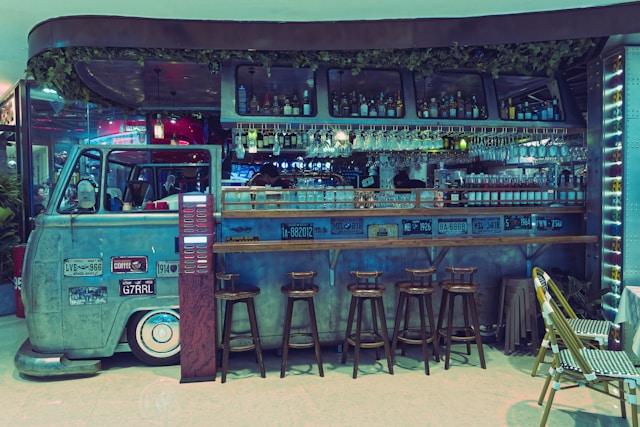
A modern cocktail bar is more than a place to enjoy a drink. Guests walk in expecting the full package: thoughtful design, well-balanced cocktails, and an atmosphere that feels intentional from the moment they take their seat. Music is one of the most influential parts of that atmosphere. It shapes how relaxed people feel, how long they stay, and how well conversations flow.
Good background music for bars works quietly in the background. It gives the room personality without taking the spotlight. With the right choices, bars can use sound to guide energy through the night, support spending, and create a signature experience that keeps guests returning.
Know Your Bar’s Identity and Guests
Every bar has a personality. The first step in choosing music is understanding what yours is.
A classic speakeasy with low lighting and stirred cocktails has a different sonic expectation than a rooftop lounge with panoramic views. A hotel bar attracts a wider mix of guests than a neighborhood cocktail den. When you know your identity, you can choose music that reinforces it.
Your customer base matters too. After-work professionals usually appreciate smooth, low-tempo tracks that help them unwind. Date-night couples tend to enjoy warm, intimate sounds. Weekend groups want something with more energy that still leaves room for conversation. The right balance often leads to music that keeps bar guests staying longer because the atmosphere feels comfortable, steady, and easy to settle into.
Once you understand who you serve, narrowing down station types becomes easier. Jazz, lounge, downtempo electronic, indie, soft pop, and modern deep house all offer different flavors that can support your concept and help maintain that relaxed, lingering mood guests naturally respond to.
Key Musical Qualities for Cocktail Bars
Volume
Music should sit underneath conversation. If guests lean in or raise their voices, it’s too loud. If the room feels flat or empty, it’s too soft. Aim for a level that fills the space without demanding attention.
Energy
Most cocktail bars perform best with mid-tempo music. Too slow and the atmosphere loses energy. Too fast and it feels like a club. A consistent, steady groove supports longer stays and comfortable movement around the room.
Consistency
Abrupt mood changes can break the flow of service. Curated stations help avoid sudden genre jumps or unexpected high-intensity tracks. Using SoundMachine stations with defined styles; like Chill Jazz, Modern Lounge, or Soft Deep House, makes it easier to control tone across the night.
Early Evening: Setting a Relaxed, Welcoming Mood
When doors open, the goal is to create a smooth landing for guests arriving from work or settling in for early reservations. The room is quieter. People are easing into their night. Music here should feel warm and inviting.
Great early-evening SoundMachine options include:
- Jazz Dinner for smooth, conversational flow.
- Chill Jazz or Jazzy Calm Cafe for mellow vibes with acoustic warmth.
- Modern Lounge, Cosmopolitan Lounge, or Vintage Lounge for soft electronic textures that feel contemporary without being pushy.
These stations lean into relaxed grooves, light vocals, and low-tempo arrangements. They help guests transition out of the day and into a more social, reflective space.
Prime Time: Balancing Energy and Conversation
By mid-evening, the room is fuller. Conversations overlap. Glassware and shakers add texture to the background. Music needs more presence to hold the atmosphere together, but still shouldn’t overpower guests.
Stations that work especially well during this peak period include:
- Eclectic Lounge, Soft Deep House, or Deep House for modern, rhythmic energy that remains refined.
- Pop Mix, Chill Pop, or Adult Contemporary Mix for familiar, uplifting tracks without slipping into full dance-floor territory.
These choices offer a little more momentum. They keep the room feeling alive, help staff maintain pace, and encourage guests to order another round. Clean, bar-appropriate versions of tracks ensure nothing distracts from conversation.
Late Night: Turning Up the Energy (Without Losing Control)
As the night deepens, groups get livelier and walk-ins increase. Some bars lean into a more playful or upbeat sound, especially on weekends. The key is to raise energy without shifting into a club atmosphere unless that is your actual intent.
For contemporary bars aiming for a modern late-night feel:
- Electronica Dance, Eclectic Dance, or Top Electronic offer upbeat electronic energy with a polished edge.
For bars with a more nostalgic or fun personality:
- 70s–80s Party, 1980s Party, or Rock Party bring familiarity and crowd-friendly warmth.
These stations help the night feel dynamic, but they should still support the bar’s overall tone. If guests start shouting over tracks, dial it back. Let the music lift the energy, not take over the room.
Matching Stations to Specific Cocktail-Bar Concepts
Different bar concepts benefit from different musical directions. A few examples:
Classic or Speakeasy-Style Bar
Timeless, elegant, and intimate.
- 50s–60s Jazz, 50s–60s Vocal Jazz, or Brazilian 60s Bossa Nova create a vintage glow that pairs well with classic cocktails.
Minimalist, Design-Led Bar
Clean lines, curated ingredients, and a modern aesthetic.
- Modern Lounge Mix, Electronic Chill, or Chill Beats offer soft electronic textures that feel sleek and understated.
Tropical or Tiki-Inspired Cocktail Bar
Vibrant, colorful, and escapist.
- Steel Drum Island Resort, Exotica Tiki, or 60s–70s Latin Soul-Funk add sun-soaked warmth without overwhelming the space.
It’s often smart to mix themed stations with neutral jazz or lounge selections so the soundtrack feels elevated rather than gimmicky.
Practical Tips: Scheduling, Testing, and Feedback
Build a Weekly Music Schedule
Create simple blocks such as early evening, peak, and late night. Tailor the energy curve to your busiest nights.
Test Stations in Real Conditions
Check how music sits against ambient noise. What feels perfect at 3 pm may be too soft at 8 pm or too bright at 11 pm.
Gather Feedback
Staff notice the room’s energy better than anyone. Regular guests can tell you what feels inviting or off. Small adjustments often make the biggest difference.
Compliance, Licensing, and Ease of Use
Bars must use proper commercial music licensing for business. Personal accounts like Spotify or Amazon Music aren’t allowed for commercial use and can lead to copyright issues. Music services for business provides ad-free playback, curated stations screened for public environments, and consistent programming that fits the cadence of hospitality.
Using a system designed for business also saves time. Instead of building playlists manually, you can select stations tailored for dinner service, lounge hours, or late-night energy. It keeps your bar compliant and your staff focused on service.
Conclusion: Treat Music Like Part of the Menu
Music is part of the cocktail-bar experience, just like lighting, glassware, and the way a drink is presented. When chosen thoughtfully, it supports conversation, influences mood, and elevates the overall feel of the space.Define your bar’s music business brand identity. Match station choices to different parts of the evening. Adjust based on how the room responds. Over time, your soundtrack becomes part of what guests remember and return for.