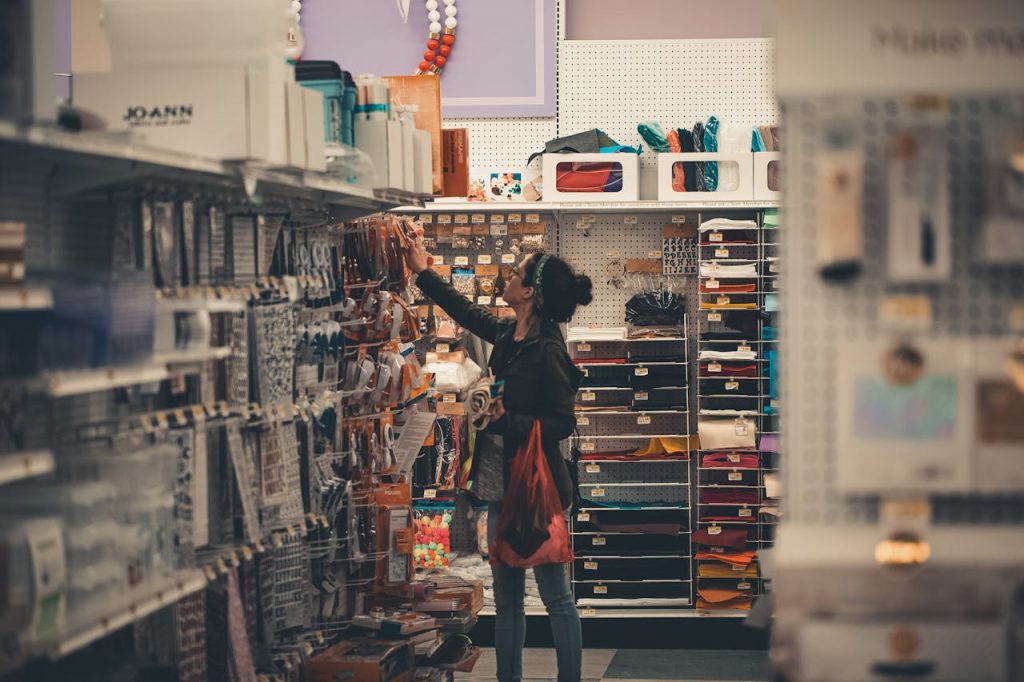
A lot of thought goes into how a retail store looks. The product placement, the lighting, the signage. Less thought usually goes into how it sounds. And yet the music playing in the background is doing something to every customer who walks in, whether or not it’s been chosen deliberately.
When that music is wrong for the context, it doesn’t just fail to help. It works against the products on display, the prices on the tags, and the brand story the store is trying to tell.
Music and Perceived Product Value
Customers don’t evaluate products in a vacuum. Everything around an item, including the sound environment, influences how they perceive its quality and worth.
Research on consumer behavior has shown that music affects willingness to pay. In matched audio environments, shoppers perceive products as higher quality. In mismatched ones, they feel a low-level friction they can’t identify, and that friction makes them hesitant.
Across multiple controlled studies, when researchers held the product and price constant and changed only the background music, customers responded differently; paying more, or perceiving greater value, when the music fit the product context. The same bottle of wine. The same price tag. Different music. Different spending.
For retailers, the soundtrack is part of the merchandising. It belongs in the same conversation as lighting and display design.
How High-Energy Music Cheapens Premium Products
High-energy music signals a certain kind of environment. It works well where excitement and speed are part of the appeal. It doesn’t work when a store is asking customers to slow down, consider, and invest in something expensive.
In a premium setting, loud and fast music creates cognitive dissonance. The products communicate quality. The music communicates urgency. Those signals conflict, and customers tend to discount the product rather than upgrade their perception of the soundtrack.
Quieter, more refined music, whether classical, understated jazz, or minimal ambient, holds space for the product. It lets the merchandise do the talking rather than competing with it.
How Overly Soft Music Reduces Urgency in Impulse Categories
The opposite problem is just as real. Slow or overly soft music reduces arousal, and in categories where impulse drives purchases, that can hurt sales.
Fast fashion, accessories, and trend-driven categories benefit from music that energizes. Shoppers browse quickly, respond to visual cues, and decide in seconds. Music that slows them down too much can cause them to drift and leave without buying.
The same applies during peak retail periods. There are specific retail music strategies for high-traffic shopping events that account for the different pace and mindset customers bring on those days.
The Mismatch Between Brand Personality and Soundtrack
Every retail brand has a personality. That personality is expressed through visual identity, product selection, and the way staff engage with customers. Music is part of that same identity.
When the music contradicts the brand, the store feels incoherent. A lifestyle brand with editorial displays and curated products loses credibility when its soundtrack is generic streaming radio. A youth-focused streetwear store playing soft acoustic undermines the energy its customers came for.
Brand mismatches are often the result of no one being in charge of the decision. The soundtrack defaults to whatever is easiest. The dos and don’ts of retail music are worth reviewing if the current setup has drifted away from the brand without anyone noticing.
Three Store Types, Three Very Different Needs
A luxury boutique needs music that communicates exclusivity without feeling cold. Volume should allow for easy conversation. The genre should feel considered, whether that’s classical, minimalist electronic, or curated jazz. Everything in the room, including the sound, should feel chosen.
A discount or value-driven store operates on different principles. Shoppers respond to energy and movement. Faster tempo, familiar pop, or upbeat tracks keep the floor active and signal that this is a place to find deals quickly. Silence in a retail store feels dead rather than refined, and it can make the space seem unwelcoming regardless of the offer.
A lifestyle brand, think outdoor gear, wellness, or design-led homewares, sits between those two poles. A hiking retailer playing synth-pop feels off. Playing indie folk or Americana feels right. The product and the sound should tell the same story.
Music and Demographic Alignment
Who is shopping in the store matters as much as what is being sold. Music that resonates with a 22-year-old browsing sneakers is unlikely to work for a 45-year-old buying kitchen equipment.
This means understanding your customer base and what sound environment they find comfortable for the category. A well-chosen retail store playlist takes both the brand and the customer into account. Demographic alignment also affects volume tolerance: younger shoppers in trend-driven stores often expect a louder environment, while those in considered purchase categories prefer lower volumes that allow for reflection and easy conversation with staff.
How to Audit Your In-Store Music Against Brand Positioning
A simple audit doesn’t require outside help. It requires an honest ear.
Walk into your store as a customer would. Listen without adjusting anything. Does the music feel like it belongs? Does it match the price point? Does it suit the customer most likely to be in this aisle?
Then ask: who chose this, and based on what criteria? If the answer is unclear, that’s the gap to fix.
Define two or three words that describe the sound environment you want. Match those to a genre direction and a tempo range. Set a volume standard and put someone in charge of maintaining it. A structured approach to music for retail stores makes that consistency easier to maintain across locations, shifts, and seasons.
Sound Is Part of the Store
Visual merchandising gets careful attention because how products look affects how they sell. Sound works the same way but rarely gets the same rigor.
The music in a store is never neutral. It is either supporting the product on the shelf or working against it. It also affects the people working the floor: music helps retail staff through demanding shifts in ways that carry through to how they engage with customers. Treating sound as a deliberate choice rather than an afterthought is one of the more straightforward corrections a retailer can make.